
SOUTH AUSTRALIA’S ONLINE SUFING MUSEUM
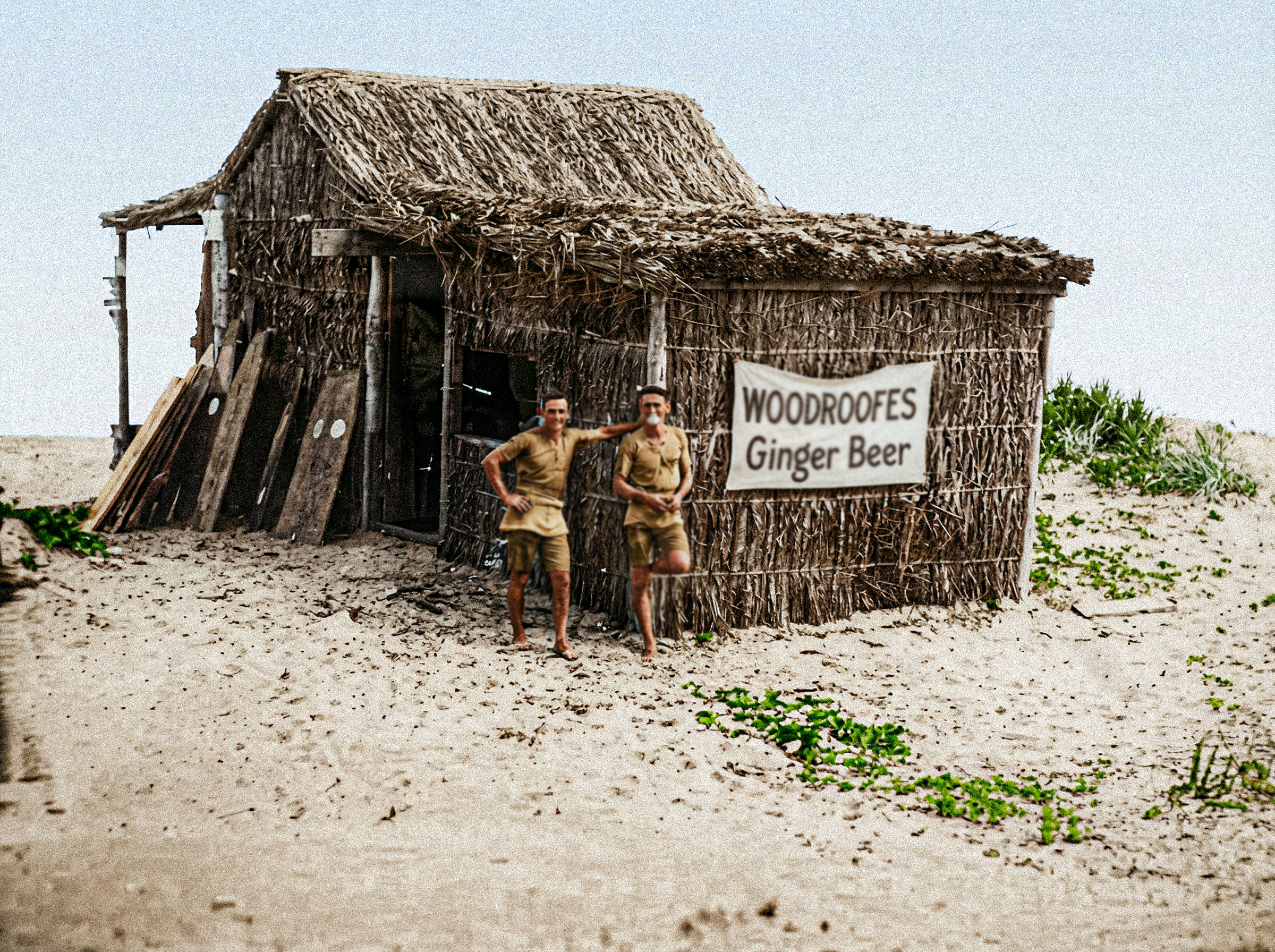
South Australia’s Surf Shacks
Surf Shacks of the Seaford Surf Break
Prior to surfers, Seaford Just south of Port Noarlunga had numerous boat sheds and Shacks. The boat sheds had been built into the cliffs and the shacks had carved out sections with concrete bases and concrete retaining walls During the 60s some of these shacks were being used by the surfers as hangouts. and one of them was a clubhouse for a time.
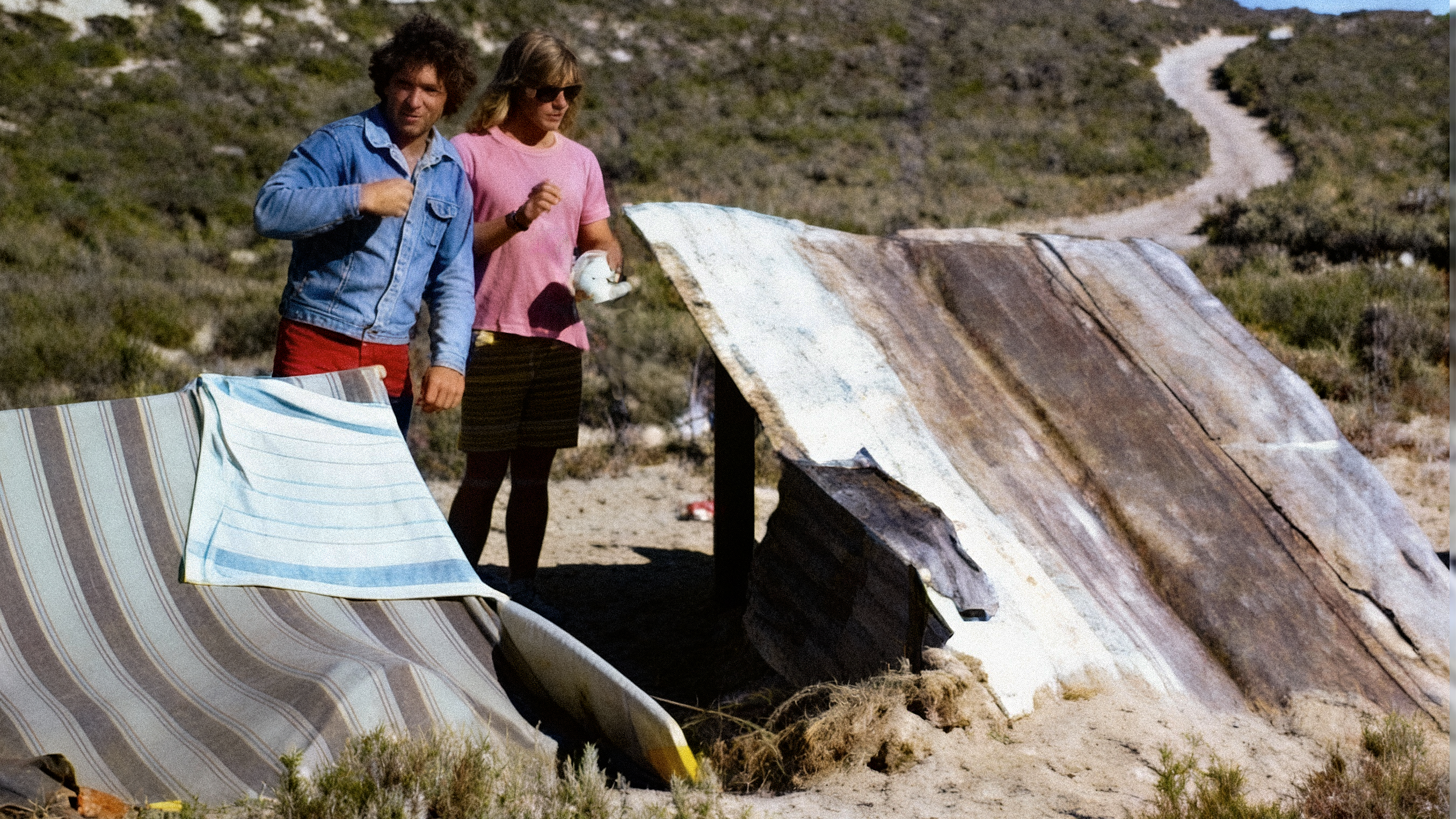
Makeshift shack out west 1972
Surf Shacks of South Australia
Since the early days of surfing, surfers have built shacks or restored buildings on or near the coast near the good waves to reside in or also just use on the weekends. Some of these were makeshift and pretty rough but others were well built and made to last. Before surfers arrived fishermen had built shacks and boathouses along some of the South Australian beaches including some metropiton beaches.
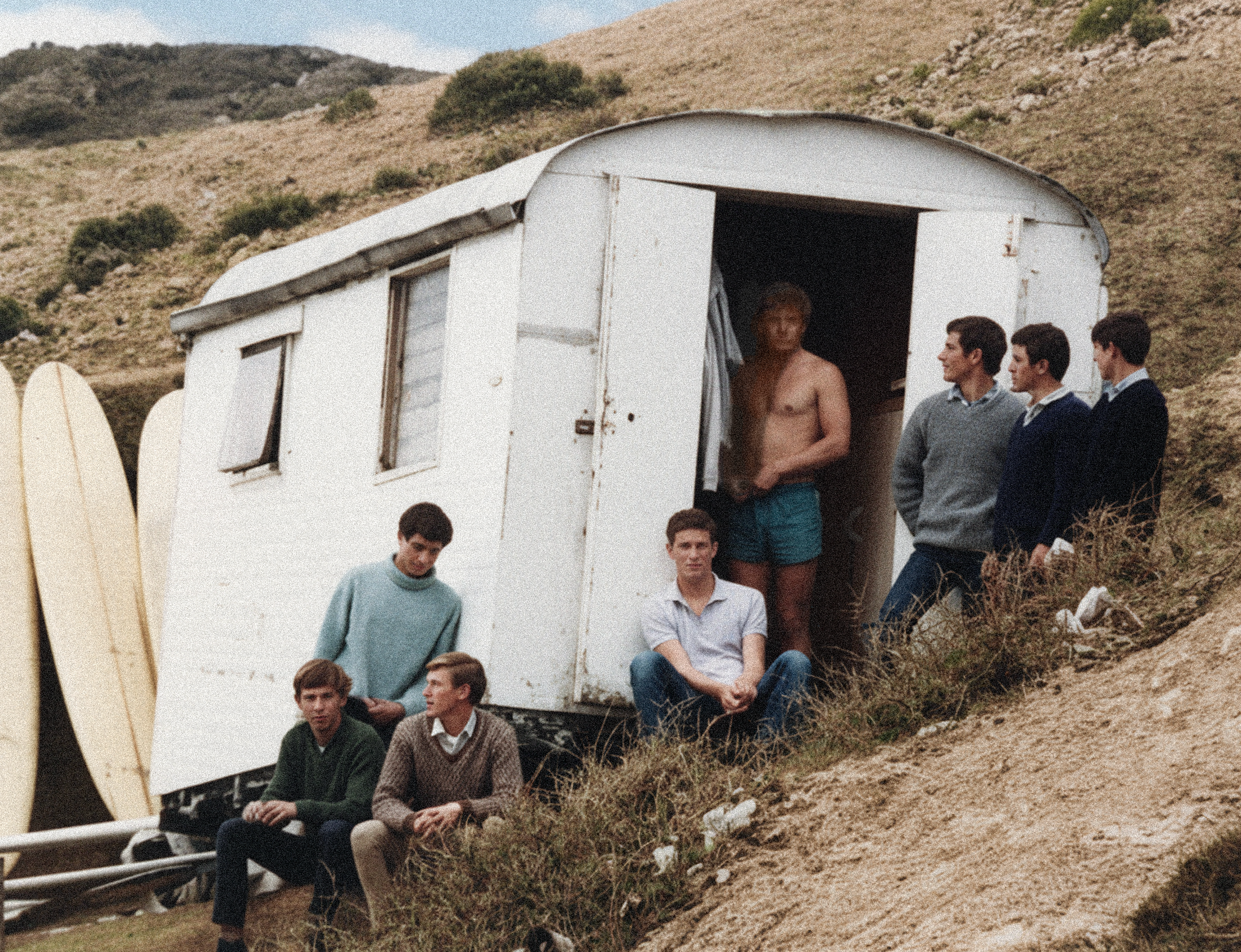
Shack to the north of the path to the beach. some of the early Sand “n” sea crew
Surf Shacks of the Seaford Surf Break
Oceanside Surf Club managed to get the use of a tin shed in front of Seaford reef in the mid 60s. it was only a short walk south from the main break. It offered them a place to stay overnight, especially if it looked like the waves would be good the next day
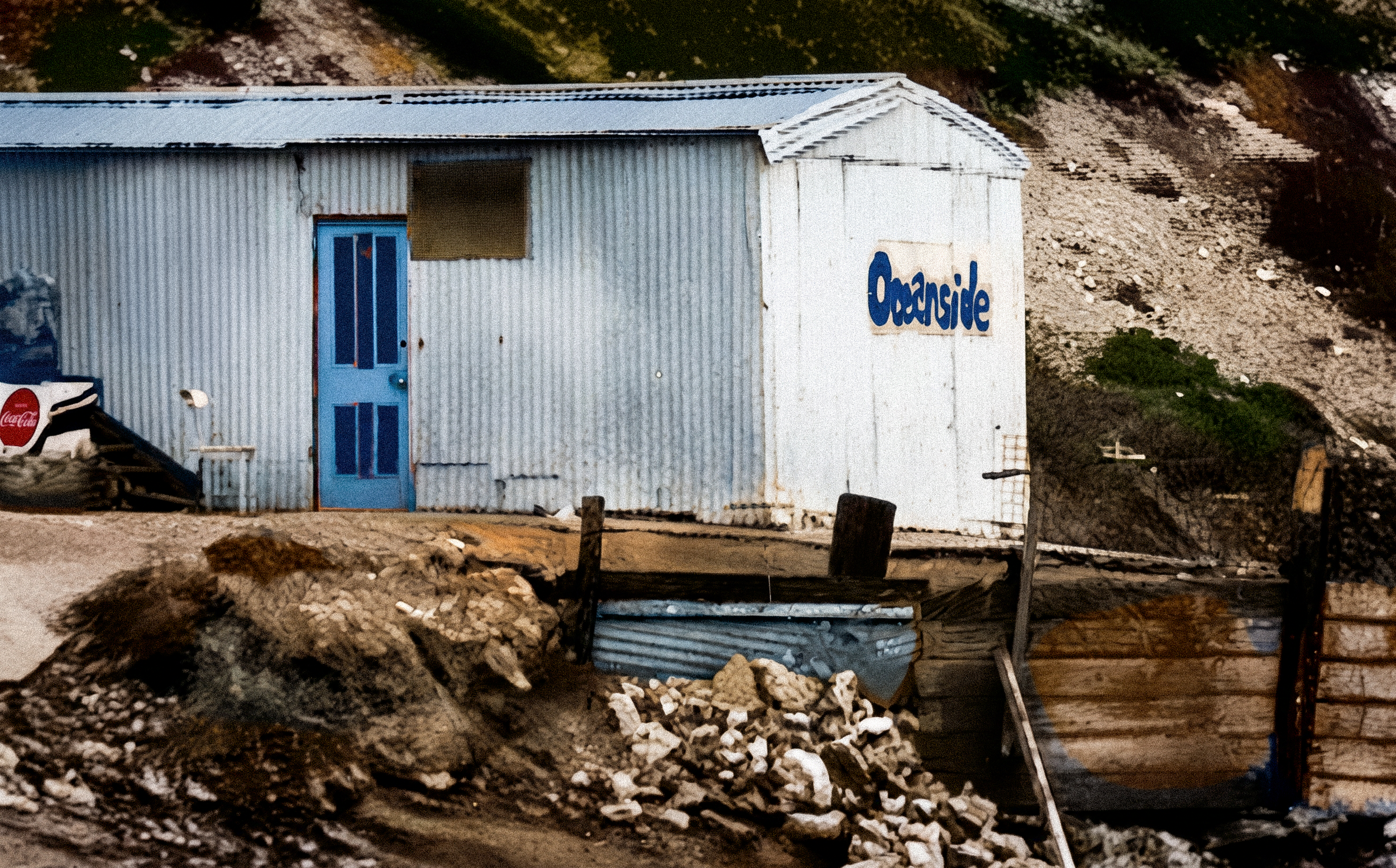
Oceanside Surf Shack 1965
Surf Shacks of the Yorkes Peninsula
One of the more popular places to go surfing back in the early 60s was the bottom end of Yorkes peninsula between Corny Point in the north and Stenhouse bay in the south. Most people camped out in tents or slept in their cars. But some found regular places to stay that were abandoned or some places that were cheap to rent. Some people stayed with the farmers permision in old shearing sheds and some of the old builings around the former town of Inneston. In the mid and late 70s some shacks were built at the top of Daly Heads right in front of the main surf Break.
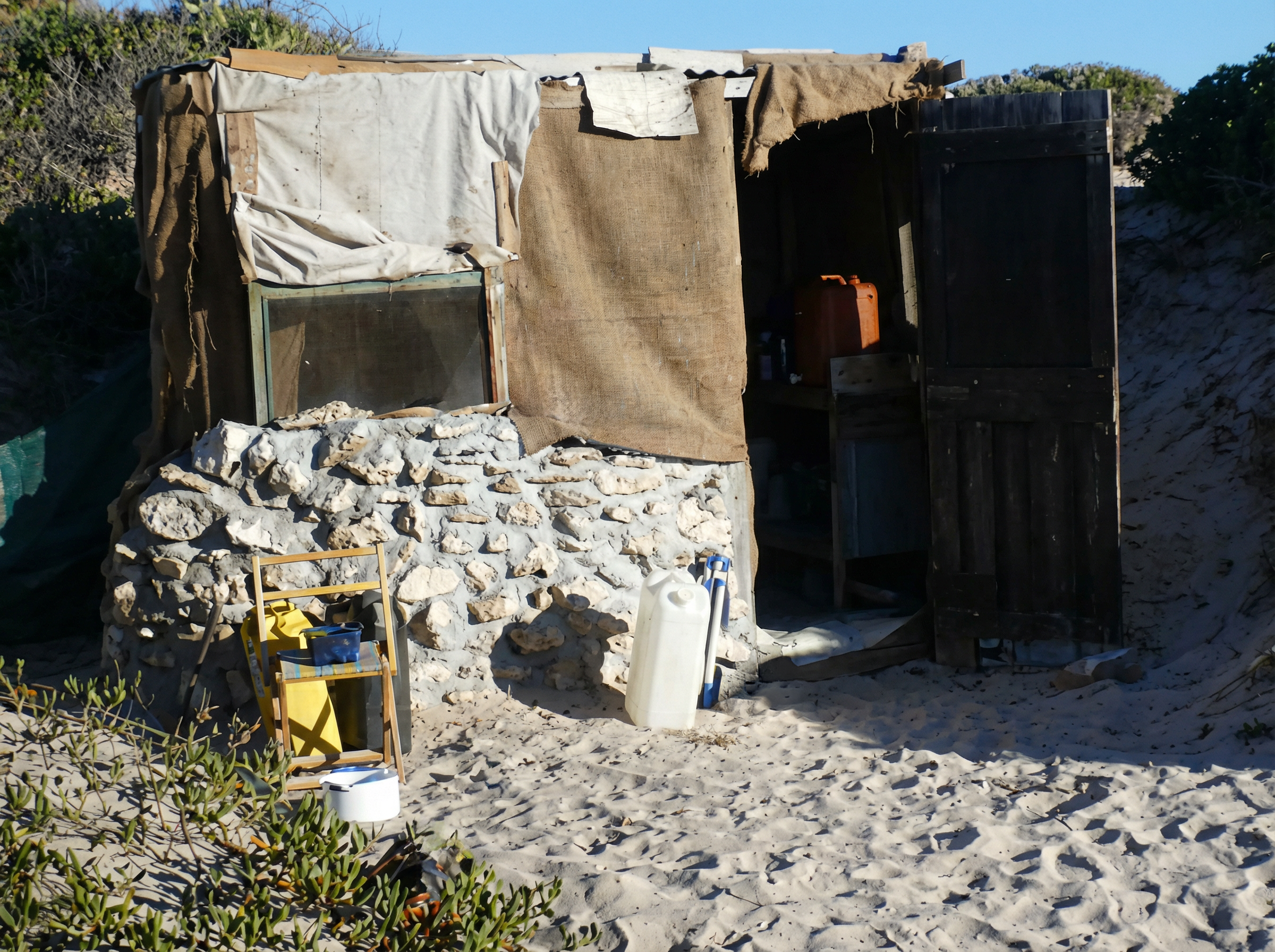
Daly Heads Shack 1974
Surf Shacks of the West Coast
Sometime Around the Mid 1970s Rick Notly, John Hastwell and others moved into the old Abandoned Colton Schoolhouse Just North of Elliston and not to far from the main surf break. The building was in reasonable condition. It had a fireplace and thick rock walls which allowed it to stay warm in winter and cool in summer. It was just a short drive to town and a short drive to the surf.
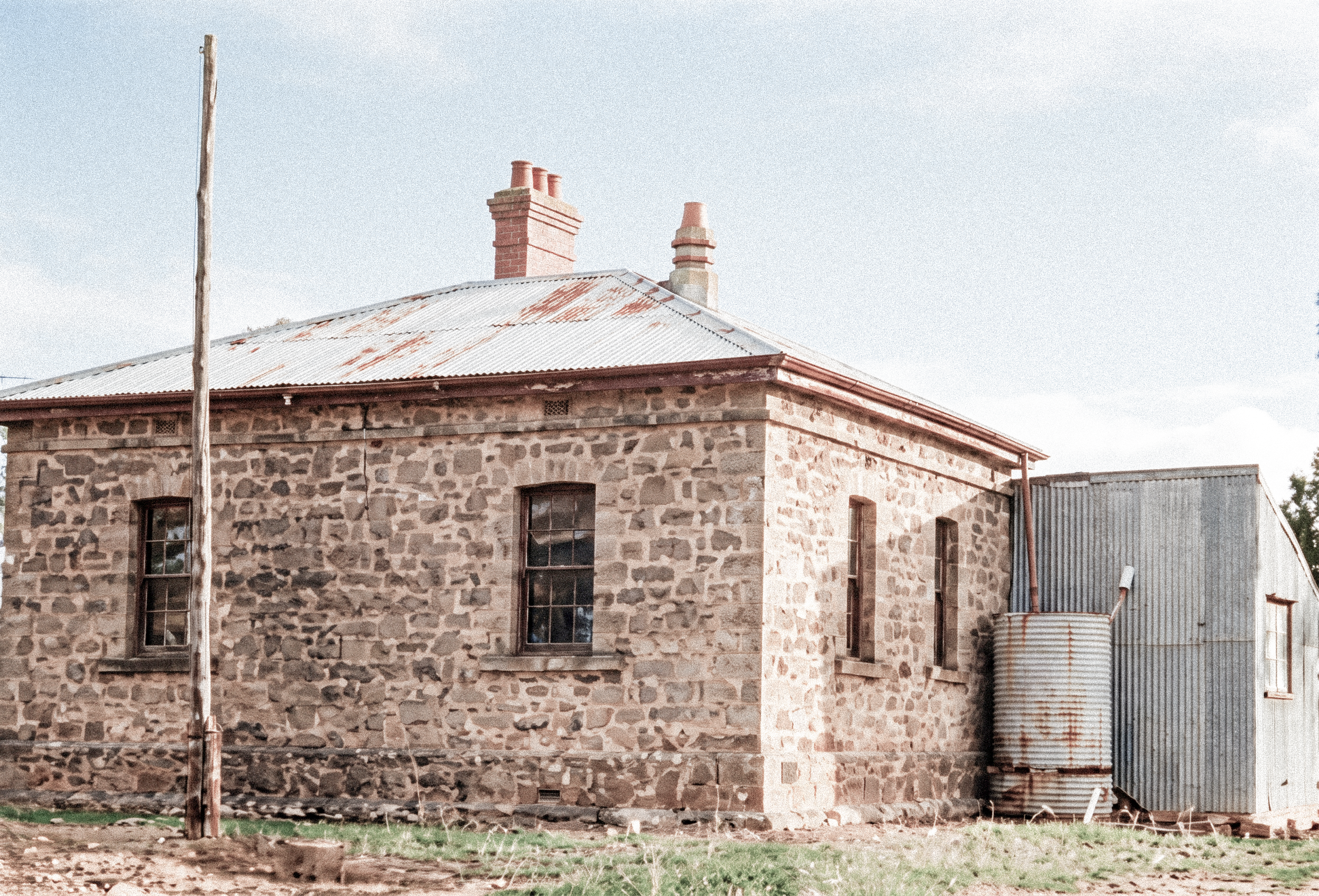
The old Colton School house circa 1930s
Surf Shacks of the West Coast
Paul Witzig surf film maker and architect, built the first shack at Cactus in 1972 while filming the documentry “Rolling Home” commonly known as the $3 house. Paul had also previously acquired the land surrounding the surf breaks on a 99 year lease. during the mid 70s shack building at Cactus got out of control. Paul had not been around for some years but he returned in 1965 and pulled down all the shacks. Prior to this it had been free to camp at Cactus. Paul cleaned up the place, built Toilets and a few shelters for campers and charged a small fee for camping. He then after a short time employed a manager to run the camp.
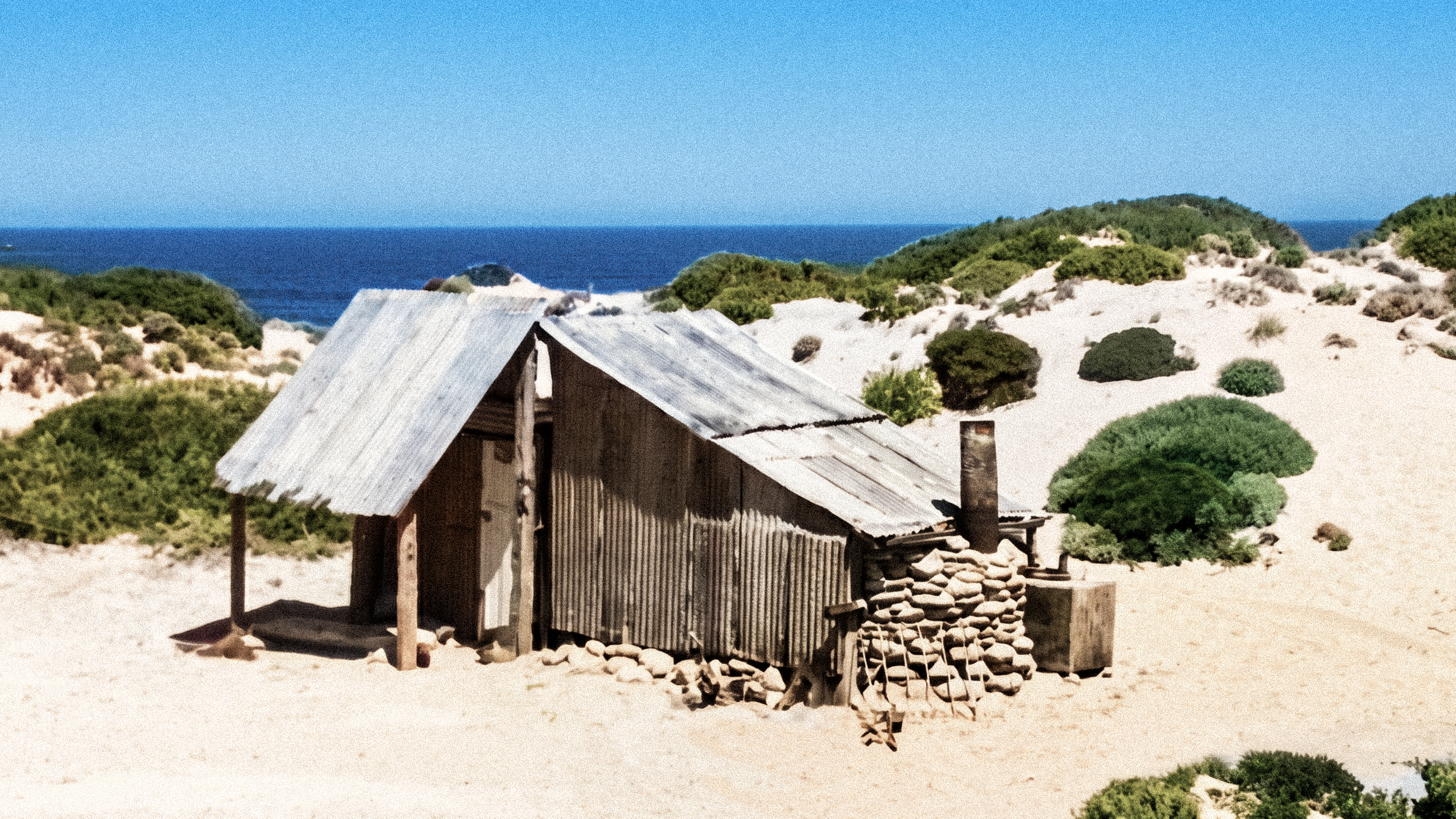
Witzigs Shack 1973
Surf Shacks of the South coast
In the very early days of the South Coast Surf Chasers some of the guys helped and became members of the Chiton Rocks Surf Lifesaving Club. As member it allowed them to stay at the Clubrooms during there trips down from Adelaide. Around 1963-64 Four Point surf club and Day Street surf club with permision from the local councel built clubrooms at Day Street right next to each other. both these clubrooms were full of bunks for club members to sleep in overnight on their trips down south.
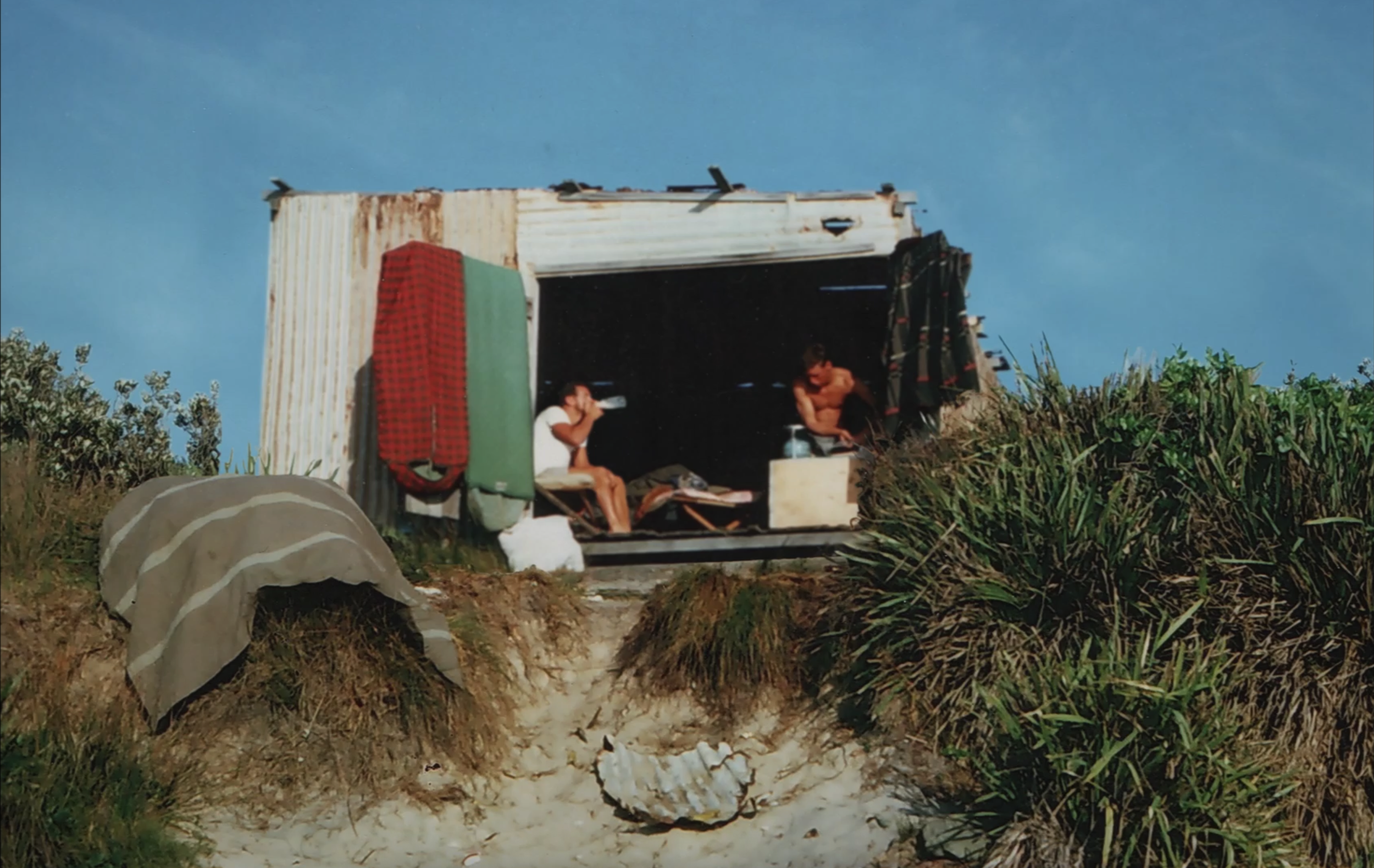
Very early version of the Four point surf shack. Not sure if they had council permission for this one.
Surf Shacks of the South East Coast
Just south of Mount Gambier is Port Mcdonald and to the west is a number of surf breaks. During the 70s some of the local surfers got to use the limestone Shacks near some of these waves waves to camp out on the weekends. from these shacks it was just a short walk to these surfbreaks.
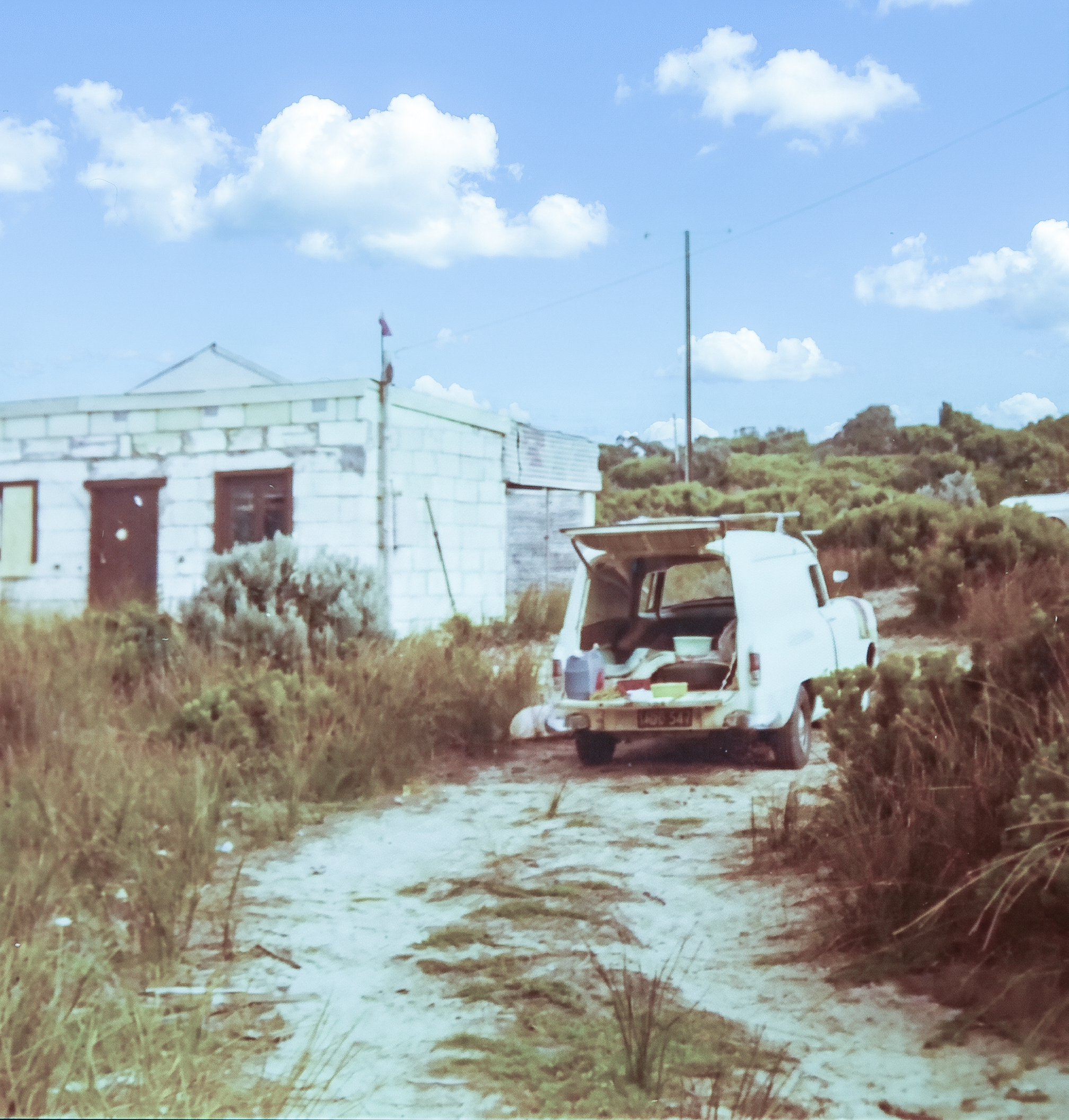
The Surf Shacks near Pebbles west of Port Mcdonald